
"Spain coffee culture"
500 article(s) found

Fragrant and delicious Nicaraguan coffee taste introduction to the characteristics of fine coffee beans in manor
Columbus arrived here in 1502 and reached the east coast of Nicaragua. In 1522, Spanish colonists began to conquer the region. The cities of Granada and Leon were founded in 1524. From then on, Nicaragua became a Spanish colony and came under the jurisdiction of the Governor's Office of Guatemala. The city of Leon developed into a political and cultural center; Granada became a commercial and agricultural center. In the later period of colonial rule

A brief introduction to the history and culture of the origin and development of fine coffee beans in Santa Cruz Manor with balanced acidity.
In the mid-15th century, there were legends about enchanted mysterious islands among fishermen fishing in the western Pacific Ocean of South America. It is said that the islands can sometimes be seen clearly from a distance, but when the ship approaches, it disappears again; sometimes it looks like a galleon, sometimes it shows the shape of a witch. The fishermen called these islands Magic Island and thought it was there.

Exquisite taste introduction of Los Congo Manor Coffee Variety Fine Coffee beans
Columbus arrived here in 1502 and reached the east coast of Nicaragua. In 1522, Spanish colonists began to conquer the region. The cities of Granada and Leon were founded in 1524. From then on, Nicaragua became a Spanish colony and came under the jurisdiction of the Governor's Office of Guatemala. The city of Leon developed into a political and cultural center; Granada became a commercial and agricultural center. In the later period of colonial rule

History of Coffee Culture History of Vienna Cafe
In Rome, the most famous is the Graco Cafe, which opened in 1750. Traveling to continental Europe is an essential education for British aristocratic children, while Rome is the preferred destination. For the sake of art, a group of northern artists from Britain, Germany and Scandinavia work in this city. These painters, sculptors and antiquities researchers put Graco Cafe

Sour and bright Nicaragua Los Congo Manor Coffee Manor Fine Coffee
Columbus arrived here in 1502 and reached the east coast of Nicaragua. In 1522, Spanish colonists began to conquer the region. The cities of Granada and Leon were founded in 1524. From then on, Nicaragua became a Spanish colony and came under the jurisdiction of the Governor's Office of Guatemala. The city of Leon developed into a political and cultural center; Granada became a commercial and agricultural center. In the later period of colonial rule

A brief introduction to the history and culture of the origin and development of fine coffee beans in Santa Cruz Manor with balanced acidity.
Because of the unique role of the Galapagos Islands in the course of history, the Government of Ecuador has designated the Galapagos Islands as a national park, the land is no longer allowed to be reclaimed as new agricultural land, and the introduction and use of chemical fertilizers, pesticides, herbicides and other chemicals are strictly prohibited, so coffee produced in the Galapagos Islands is recognized as a natural product. Ecuador ES Coffee South Ecuador

A brief introduction to the Origin, Development, History and Culture of Fine Coffee beans in Santa Cruz Manor, Ecuador
As coffee is consumed by people all over the world, the world coffee industry is also moving towards mass production, while St. Cristobal, a small and unreliable coffee industry, is in trouble and is likely to be forced to give up without profit. It wasn't until the early 1990s that the Gonzalez family bought Hasunda Coffee Park. Humboldt current (HumboldtC

Introduction to boutique coffee with mellow flavor and taste characteristics of Nicaraguan Heavenly Manor coffee
Columbus arrived here in 1502 and reached the east coast of Nicaragua. In 1522, Spanish colonists began to conquer the region. The cities of Granada and Leon were founded in 1524. From then on, Nicaragua became a Spanish colony and came under the jurisdiction of the Governor's Office of Guatemala. The city of Leon developed into a political and cultural center; Granada became a commercial and agricultural center. In the later period of colonial rule

Colombian Hope Manor Coffee Flavor, taste characteristics, introduction to boutique coffee beans
After the news of Napoleon I's invasion of Spain in 1808 spread to Colombia, the people of that place immediately launched an independence movement. On July 20, 1810, a large-scale uprising against Spanish colonial rule broke out in Bogota and the Governor of New Granada was arrested. In November 1811, representatives from all over the world organized Congress in Bogota and established the New Granada Joint Provincial Government, which was announced on November 11.

General knowledge of Fine Coffee Culture History of Vienna Cafe
In Rome, the most famous is the Graco Cafe, which opened in 1750. Traveling to continental Europe is an essential education for British aristocratic children, while Rome is the preferred destination. For the sake of art, a group of northern artists from Britain, Germany and Scandinavia work in this city. These painters, sculptors and antiquities researchers put Graco Cafe
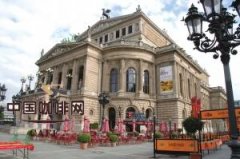
Coffee Cafe in Paris with Coffee Culture
As the art center of the world, Paris achieved unprecedented prosperity before World War II. Such as Picasso, Stein, Hemingway, Joyce and so on have lived in Paris for many years, and some even died in Paris. Even after the war, Paris was a dream place for writers and artists from all over the world, such as the famous Latin American writers M á rquez, Neruda and so on. The demon of Latin America is the real master.

Acidity Bright Nicaragua Los Congo Manor Coffee Flavor Description Variety Processing
Nicaragua has a deep, chocolate, caramel sweet, almond flavor, bright acidity, and a bright acidity that is different from the traditional Central American acid. Nicaragua coffee planting ecology has a unique environment, fertile volcanic soil, plus shade planting methods, establish a good growth physique, so that Nicaragua beans not only have rich alcohol but also

Description of Flavor of Coffee beans in Spring Manor in Colombia
Colombia, located in the northwest of South America, is a beautiful country with a long history. Indians have lived on this land since ancient times. It was colonized by Spain in 1531 and gained independence in 1819. It was renamed in 1886 to commemorate Columbus, the discoverer of the American continent. Colombia has beautiful mountains and rivers, beautiful scenery, pleasant climate and four seasons.

Introduction to the flavor and taste of Nicaraguan coffee boutique coffee beans
Columbus arrived here in 1502 and reached the east coast of Nicaragua. In 1522, Spanish colonists began to conquer the region. The cities of Granada and Leon were founded in 1524. From then on, Nicaragua became a Spanish colony and came under the jurisdiction of the Governor's Office of Guatemala. The city of Leon developed into a political and cultural center; Granada became a commercial and agricultural center. In the later period of colonial rule

Introduction to Nicaraguan Coffee Flavor Manor with rich aroma, smooth and meticulous taste
Columbus arrived here in 1502 and reached the east coast of Nicaragua. In 1522, Spanish colonists began to conquer the region. The cities of Granada and Leon were founded in 1524. From then on, Nicaragua became a Spanish colony and came under the jurisdiction of the Governor's Office of Guatemala. The city of Leon developed into a political and cultural center; Granada became a commercial and agricultural center. In the later period of colonial rule

Coffee culture Turkey is a nation that secularized coffee drinks.
If you walk through the streets of Milan in the evening, you will find a faint aroma of coffee floating in the air in the quiet alley. At the end of the alley, there is a warm cafe where you can relax and enjoy afternoon tea. Accompanied by jazz and coffee, the soul interacts warmly, here, coffee is not only coffee, time can also be very slow. For cafes

Introduction to the fragrant and delicious Nicaraguan coffee flavor and taste of Manor Fine Coffee
Columbus arrived here in 1502 and reached the east coast of Nicaragua. In 1522, Spanish colonists began to conquer the region. The cities of Granada and Leon were founded in 1524. From then on, Nicaragua became a Spanish colony and came under the jurisdiction of the Governor's Office of Guatemala. The city of Leon developed into a political and cultural center; Granada became a commercial and agricultural center. In the later period of colonial rule

Turkish coffee culture is the first nation to secularize coffee drinks.
If you walk through the streets of Milan in the evening, you will find a faint aroma of coffee floating in the air in the quiet alley. At the end of the alley, there is a warm cafe where you can relax and enjoy afternoon tea. Accompanied by jazz and coffee, the soul interacts warmly, here, coffee is not only coffee, time can also be very slow. For cafes

Introduction to the flavor and taste of boutique coffee beans in Nicaragua Los Congo Manor Coffee Variety producing area
Columbus arrived here in 1502 and reached the east coast of Nicaragua. In 1522, Spanish colonists began to conquer the region. The cities of Granada and Leon were founded in 1524. From then on, Nicaragua became a Spanish colony and came under the jurisdiction of the Governor's Office of Guatemala. The city of Leon developed into a political and cultural center; Granada became a commercial and agricultural center. In the later period of colonial rule

Introduction to boutique coffee with mellow flavor and taste characteristics of Nicaraguan Joy Manor coffee
Columbus arrived here in 1502 and reached the east coast of Nicaragua. In 1522, Spanish colonists began to conquer the region. The cities of Granada and Leon were founded in 1524. From then on, Nicaragua became a Spanish colony and came under the jurisdiction of the Governor's Office of Guatemala. The city of Leon developed into a political and cultural center; Granada became a commercial and agricultural center. In the later period of colonial rule